
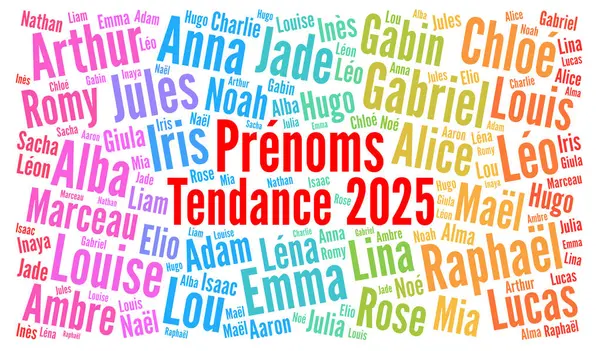
Names travel farther than we do. They begin as whispers at home—family stories condensed into a word—and end up painted on school lockers, stitched onto jerseys, and echoed in stadiums. Across cultures, names carry wishes, protection, history, and sometimes a dare: become the person this word imagines. In a globalized century, our names also move through new spaces: databases, social feeds, and matchday lineups followed by millions in real time. This essay explores how names work—linguistically, socially, and emotionally—and why the naming energy you see in a nursery isn’t so different from the chanting energy you hear on a Saturday night.
What a Name Tries to Do
- Locate: A name anchors a person to a lineage, place, or language. Surnames often encode craft (Smith, Müller), geography (Navarro, da Silva), or patronymics (Ivanov, O’Connor).
- Protect: In many traditions, early nicknames act as charms—decoys for misfortune or markers that the child belongs to a circle of care.
- Project: Names point outward, too. Parents aim virtues (Grace, Amir “prince,” Sofia “wisdom”) toward the future, trusting the word to tutor the child.
The World’s Naming Toolkits
Different peoples solve the same problem—“how do we call each other?”—with different grammar:
| Culture/Region | Pattern | What It Signals |
|---|---|---|
| Iceland | Given name + patronymic/matronymic (e.g., Jónsdóttir) | Immediate family link; living, not fixed, surnames |
| Arabic-speaking world | Ism (given) + nasab (son/daughter of) + laqab/kunya | Lineage and honorifics woven into everyday address |
| East Asia | Family name first, then given name; generational characters | Belonging to a house or cohort within the family |
| West Africa (Akan, Yoruba, etc.) | Day names, birth-order names, destiny/virtue names | Time, fate, and character inscribed together |
| English-speaking countries | Given + middle + family; nicknames travel freely | Room for reinvention, stage names, and initials |
Nicknames: The Social Software of Names
Nicknames are the “patch notes” we apply to names as relationships evolve. They shorten distance (“Alex” from “Alexandra”), celebrate traits (“Speedy,” “Doc”), or compress long biographies into one syllable (“Pip”). In classrooms and group chats, nicknames negotiate status; in families, they signal tenderness; in sport, they become banners—“The Professor,” “El Capitán,” “Kun.” The genius of a good nickname is that it feels inevitable after it appears, although five minutes earlier it didn’t exist.
From Birth Certificates to Banners: Names in Sport
Sport is the most public arena for name-energy. Announcers stretch syllables into ceremony; fans paint surnames on cardboard and skin; commentators create shorthand that can vault a player into folklore. Even team names behave like living symbols—hybrids of town identity, colors, and a style of play. On matchdays, a squad list reads like a small atlas: diasporas, loan spells, bilingual childhoods. You can watch names migrate, shorten, and translate across borders as quickly as transfers themselves.
How We Learn to Hear a Name
Pronunciation is politics: saying a name correctly is a small act of respect. Broadcasters now prepare phonetic guides; teachers ask students to record voice notes; friends correct each other gently. The habit scales. Fans who follow a league learn to pronounce names from many languages because affection is a superb teacher. Soon the mouth knows how to shape sounds it never met in school.
Case Study: The Matchday Name-Machine
Consider a top-flight football club’s fixture list. Every lineup, every substitution graphic, every chant is a public rehearsal of names. Syllables synchronize crowds; surnames become drums. If you track a season closely, you see stories emerge in the names themselves—debutants promoted from the academy, veterans earning testimonial status, new signings whose names bend into chants within weeks. For a single, tidy hub that gathers fixtures and results so you can watch those naming stories unfold in real time, bookmark a page dedicated to man city games and notice how quickly a new surname becomes part of the shared soundscape once it appears on consecutive team sheets.
Naming Lessons Parents Can Borrow from Stadiums
- Repetition builds meaning: Say a child’s name with warmth and consistency; the tone becomes part of the meaning.
- Invite ownership: Let kids choose how they want to be called at different stages—formal at school, playful at home—just as athletes choose shirt names.
- Protect the story: Keep a notebook of why a name was chosen—etymology, the ancestor it honors, the book you loved. Ten years later, that context will matter.
When Names Change
Names have life cycles. People reclaim heritage spellings, swap order after marriage, or adopt stage names online. In sport, legal names can differ from the names on shirts; in everyday life, trans and nonbinary people assert identities that better fit the truth. The ethical task for communities is simple: listen, learn, and update our address books—digital and mental—with care.
Why the Mystery Persists
A name is the smallest biography. It holds where we come from and suggests where we might go. We inherit some syllables, invent others, and try to live up to all of them. Whether whispered over a cradle or roared across a terrace, names compress hope into sound. That’s the secret they keep—and the reason we keep listening.